
Table of contents
On social media, spontaneous travel has become a badge of honor, a way to prove you are “living in the moment” rather than following a script, and yet the same feeds that glamorize last-minute decisions are also packed with cautionary tales: missed connections, sold-out trains, surprise closures, and budgets that quietly implode. In 2024 and 2025, as destinations from Seoul to Lisbon reported crowding pressures and higher peak-season prices, the question behind the aesthetic is sharper than ever: when you ditch the plan, are you gaining freedom, or just outsourcing your trip to luck?
When “no plan” meets hard logistics
Can spontaneity survive a sold-out city? The romantic version of unplanned travel assumes there will always be a spare room, a late bus, a table for one, and a friendly local who knows a shortcut, but the real-world mechanics of tourism in 2026 are less forgiving, especially in places where demand spikes around weekends, festivals, and school holidays.
Start with accommodation, the first domino in most itineraries. In many large cities, short-term rental regulations have tightened while hotels have faced higher staffing and operating costs, and the result is often fewer “cheap last rooms” at the very moment travelers expect bargains. Even when beds exist, the price curve can be brutal, because last-minute inventory tends to be premium inventory. Add the post-pandemic habit of booking flexibility, and you get a market where travelers cancel late and rebook often, which makes availability look healthy until it suddenly isn’t. The practical effect is familiar to anyone who has tried to improvise a weekend: you can keep your schedule open, but you may end up sleeping far from the neighborhoods you came to see, and then paying the time tax in commuting.
Transport is the second constraint, and it is where “go with the flow” most frequently collides with reality. Popular rail routes and intercity buses can sell out, and low-cost flight prices can flip within hours, meaning a traveler who delays decisions may not just pay more, but also accept worse departure times. In dense urban areas, even micro-logistics matter: major museums and attractions increasingly use timed-entry tickets, and capacity controls can turn a casual “let’s go now” into an hour of refreshing booking pages. The unplanned traveler is not necessarily doomed, but they need a different kind of preparation, less about fixed schedules and more about understanding what is scarce, when it is scarce, and what the backup options cost in money and in time.
The hidden cost: time, stress, and money
Freedom is not free, is it? Spontaneity often sells itself as the antidote to over-optimization, and it can be, but the stories travelers tell afterward reveal a recurring pattern: the cost of improvisation rarely shows up as a single dramatic failure, it accumulates as small frictions that reshape the whole trip.
Time is the first invisible expense. An unplanned itinerary can mean longer periods spent searching for basics, comparing neighborhoods, checking opening hours, and navigating unfamiliar ticketing systems, and those hours come directly out of what most people actually want: walking, eating, seeing, and resting. In cities with spread-out points of interest, “we’ll figure it out” can produce a day that looks full on paper but feels thin in experience, because too many decisions happen on the move. Stress follows, especially when choices are made under pressure, like booking a room after sunset or scrambling for dinner in a district where kitchens close early. Travelers who love spontaneity often underestimate how decision fatigue compounds, particularly on multi-day trips.
Money is the third layer, and it can be counterintuitive. A flexible traveler may dodge some pre-paid mistakes, but they are also more likely to pay walk-up prices, last-minute fares, and convenience premiums, and they may accept expensive taxis when public transport would have worked with minimal planning. Food costs can drift too: when you do not anchor your day around known neighborhoods and known opening hours, you may default to tourist corridors where prices are highest. The “small splurges” do not feel like splurges in the moment, because they arrive as solutions to problems, and yet by day three or four they can exceed what a light framework would have cost. The lesson from many real accounts is not that planning guarantees a cheaper trip, but that a lack of planning tends to push spending into the least efficient categories: urgency, convenience, and recovery.
Real stories: lost, lucky, and led
So what actually happens on the ground? The most telling travel narratives are rarely about perfect plans or perfect chaos, they are about the moment a traveler realizes whether they are steering the trip, or the trip is steering them, and the difference often comes down to local knowledge and timing.
Consider the common “lucky break” story: a traveler arrives with no reservations, stumbles into a neighborhood at the right hour, finds a small guesthouse with a cancellation, and ends up at a family-run restaurant because the host drew a map on a napkin. Those stories are real, and they are part of what makes travel feel alive, but they rely on conditions that are not guaranteed: off-peak dates, a tolerance for uncertainty, and enough buffer in budget and time to wait out setbacks. When those conditions are absent, the tone changes quickly. The “lost” story usually starts the same way, with a spontaneous decision, and then turns on a single constraint: the last ferry of the day, the final check-in time, the sold-out attraction that was the main reason to visit, or the weather shift that makes an unplanned hike unsafe. In those accounts, the traveler is not merely inconvenienced, they are forced into reactive decisions that narrow options further.
Then there is the “led” story, where spontaneity exists, but inside a structure that quietly removes the highest-risk uncertainties. Some travelers build that structure by doing their own research, while others lean on local expertise, especially in cities where language barriers, dispersed attractions, or complex transport can make improvisation expensive. In destinations that mix urban intensity with day-trip potential, travelers often report that the best balance is to keep mornings flexible, but lock in one anchor each day, such as a guided neighborhood walk, a fixed-time museum entry, or a planned excursion. That way, the trip retains breathing room, and yet the day never collapses into pure logistics. For travelers heading to South Korea’s second city, for example, having a clear sense of how coastal sights, markets, and viewpoints connect can turn “random wandering” into deliberate exploration, which is why many visitors look for a reliable local framework and then riff on it once they arrive; a practical starting point can be found at https://www.busan-trip.com/, which helps travelers understand what is realistically reachable, and how to avoid the classic last-minute traps.
How to keep spontaneity without chaos
Want the thrill, not the mess? The strongest spontaneous travelers are not the ones who refuse to plan, they are the ones who plan the right things, lightly, and then leave space where it matters.
Start by identifying your “scarcity items”, the experiences most likely to sell out or become impossible if delayed. In many cities, those are popular museums with timed entry, signature viewpoints at sunset, and any transport that runs infrequently. Book only what would genuinely hurt to miss, and leave the rest open. Next, create a geographic logic, not a minute-by-minute schedule. Group sights by neighborhood, because the hidden killer of spontaneous itineraries is not indecision, it is zigzagging across town and paying for it in transit time and fatigue. A simple map with clusters is enough, and it can be adjusted instantly when weather changes.
Budgeting is the other quiet discipline. Set a “flex premium” at the start, an amount you are willing to pay for convenience when spontaneity demands it, and track it daily. This transforms surprise spending into a conscious trade, rather than a slow leak. Also build a buffer for the first and last nights, because arrivals and departures are where chaos is most punishing; even travelers who improvise everything else often report that pre-booking those edges dramatically reduces stress. Finally, keep a short list of dependable fallbacks: a late-opening restaurant area, a well-connected transit hub, a daytime indoor option for bad weather, and one easy half-day plan you can deploy when decision fatigue hits. Spontaneity works best when it is a choice, not a last resort, and that distinction is what turns an unplanned trip from a gamble into a style.
Booking smart, spending less, seeing more
For travelers who want spontaneity without blowups, the practical move is to reserve only the non-negotiables, set a clear daily spend limit, and check local calendars for weekends and festivals that tighten availability. In some destinations, city passes and transit cards can lower costs, and guided half-days can anchor the schedule while leaving afternoons free.
Similar articles

Journeys Beyond The Itinerary: Embracing The Art Of Getting Lost
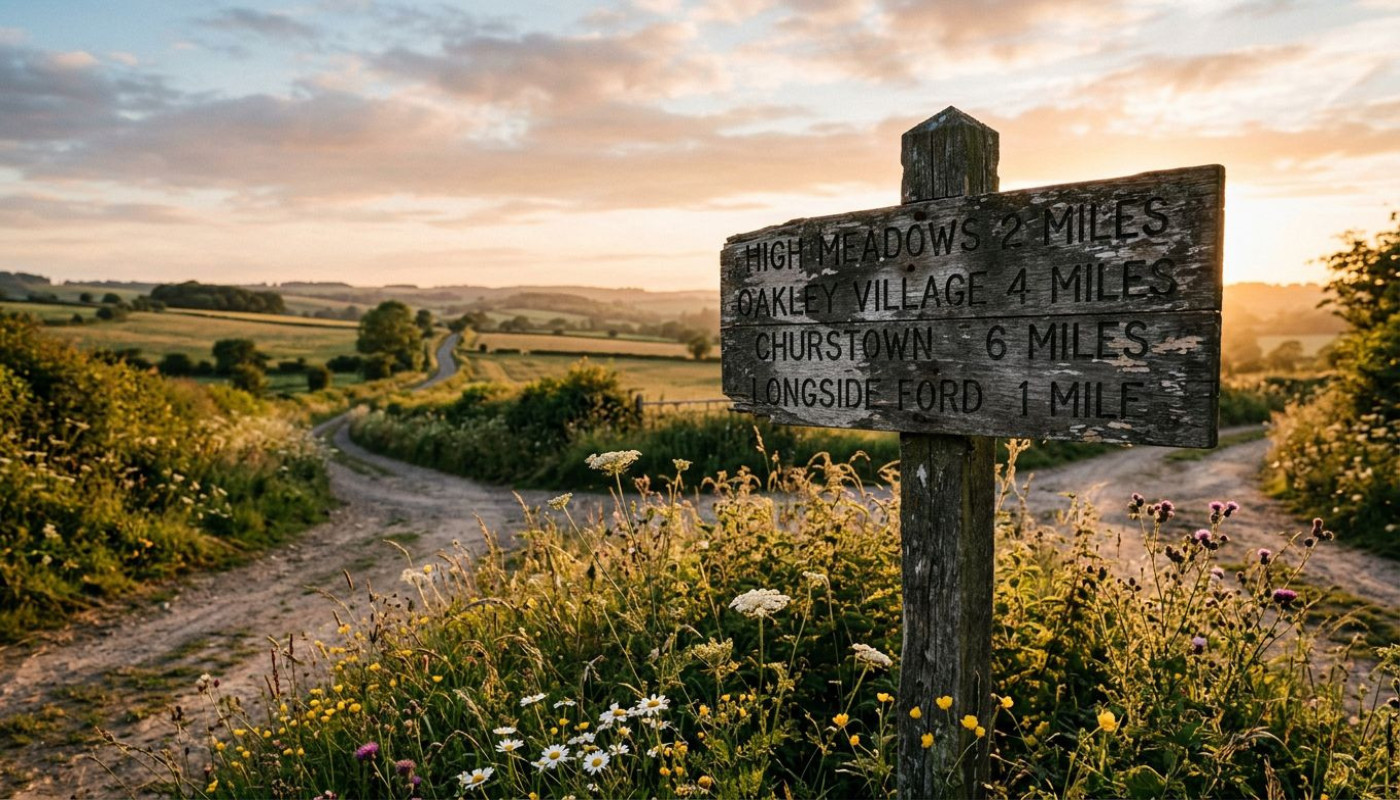
Hidden Crossroads: The Power Of Overlooked Destinations In Shaping Travel Stories
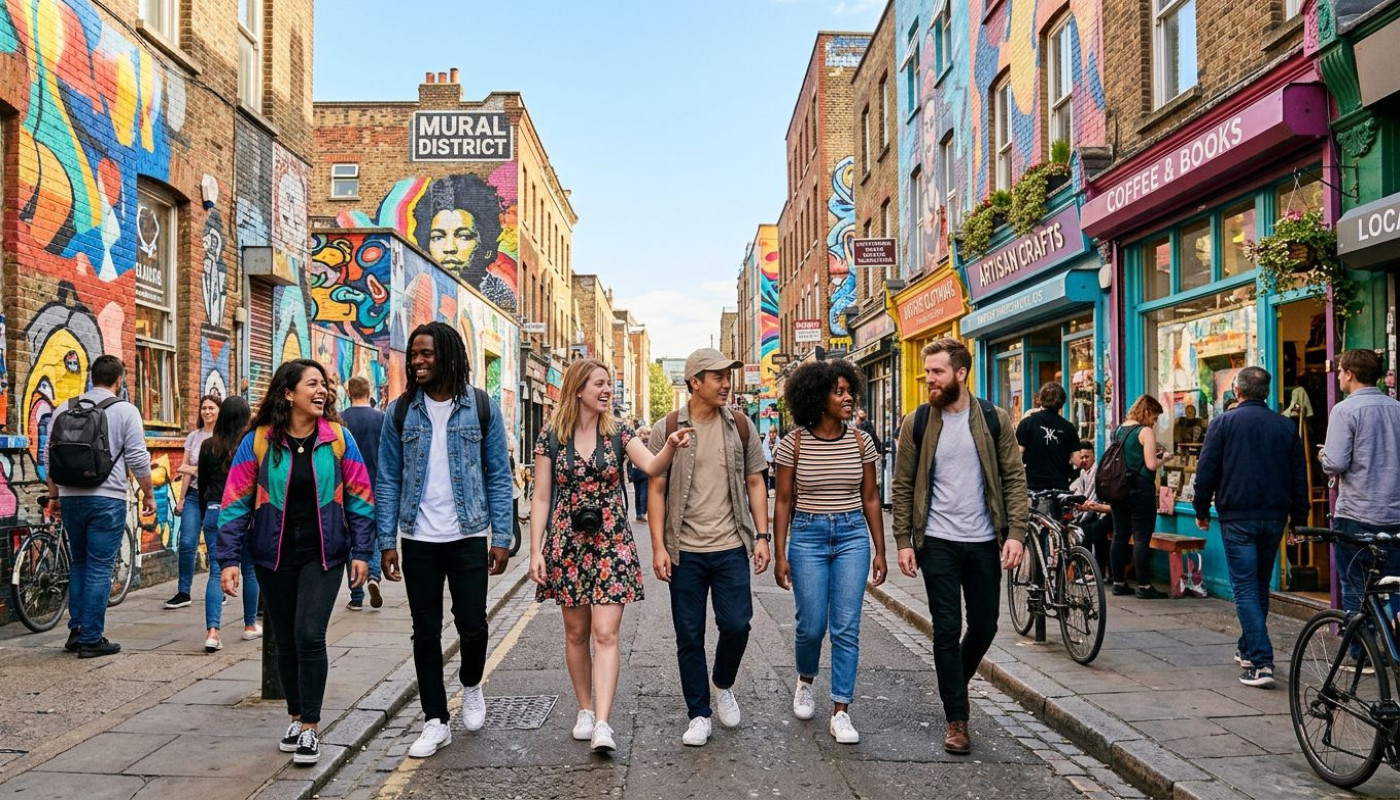
How City Excursions Reshape Our Understanding Of Local Culture
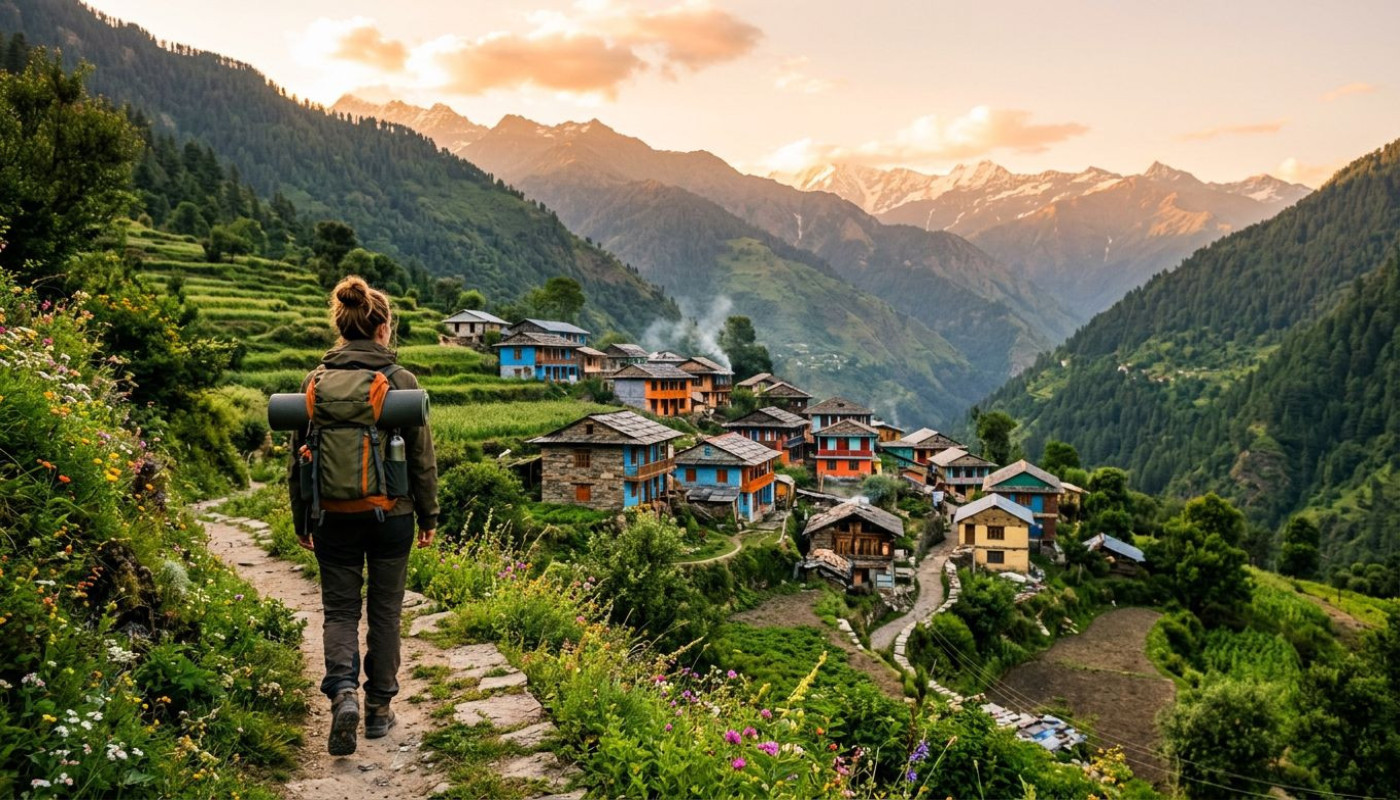
Is Hidden Gem Tourism The Antidote To Overcrowded Travel Hotspots?

How To Structure A Multi-Destination Holiday For Every Budget?

Exploring The Charm Of Paris's 13th District: A Cultural And Historical Guide

How Ethical Safaris Enhance Your Cultural Encounter Experience?

How To Plan An Unforgettable Sailing Itinerary For Beginners

Exploring The Hidden Gems Of NYC's Five Boroughs: A Family Adventure Guide
